I am a Computer Science engineer specializing in hardware-software co-design, machine learning systems, and high-performance algorithmic engineering. Currently pursuing an M.Sc. in Machine Learning at Poznań University of Technology, with a foundation in rigorous competitive programming and production-grade cloud infrastructure.
Education
M.Sc. in Computer Science (Machine Learning)Feb 2026 – Present
Poznań University of Technology
First semester GPA: 4.9 / 5.0. Conducting master's thesis research in Neurosymbolic AI, focusing on scene decomposition, discrete tokenization, and vector quantization under the supervision of Prof. Krzysztof Krawiec.
B.Eng. (Inżynier) in Computer ScienceOct 2021 – Feb 2026
Poznań University of Technology
Graduated Summa Cum Laude (Bardzo dobry z wyróżnieniem).
Overall GPA: 4.89/5.0. Diploma Exam: 5.0/5.0. Thesis Grade: 5.0/5.0.
Member of GHOST (Group of Horribly Optimistic Statisticians).
Erasmus+ Exchange StudentSep 2024 – Mar 2025
University of Zagreb (FER)
GPA: 4.66/5.0. Completed master's-level coursework including Deep Learning, Introduction to Data Science, Machine Learning 1, and Quantum Computing.
University Math Bridging Program2025
Adam Mickiewicz University
Completed advanced coursework beyond the standard engineering curriculum. Core subjects: Linear Algebra II and Mathematical Analysis II.
Standardized Testing & Competitions
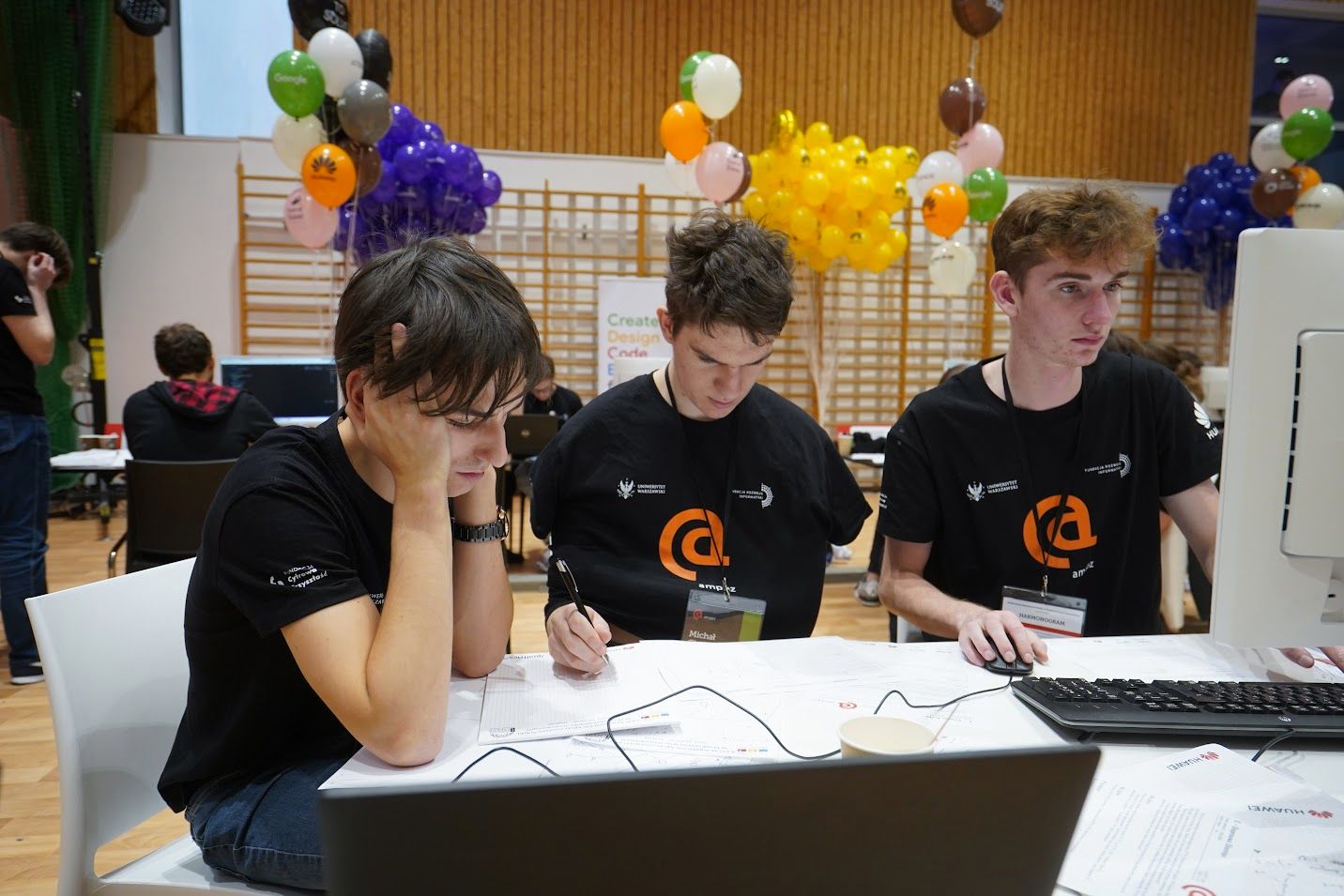
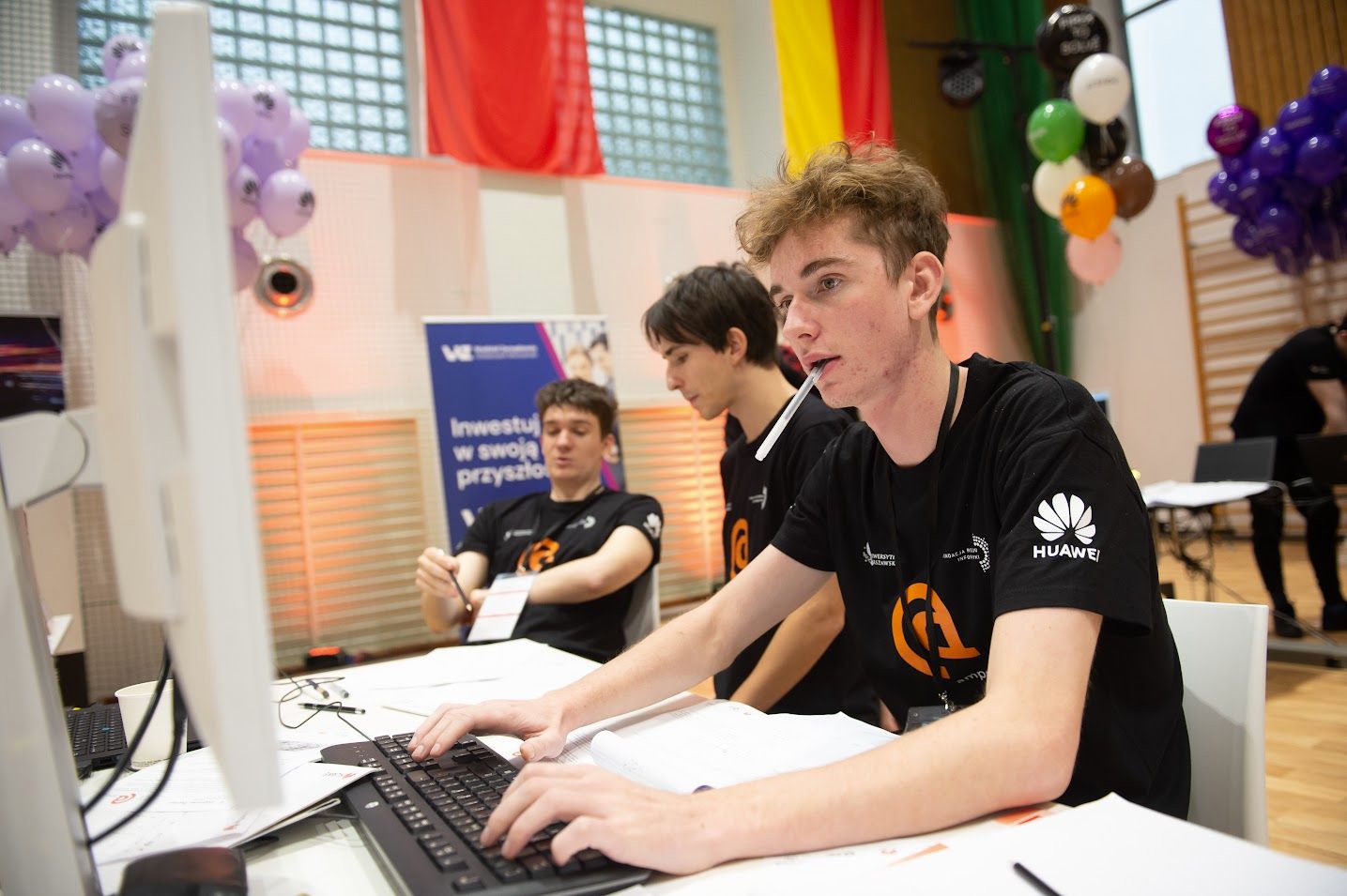
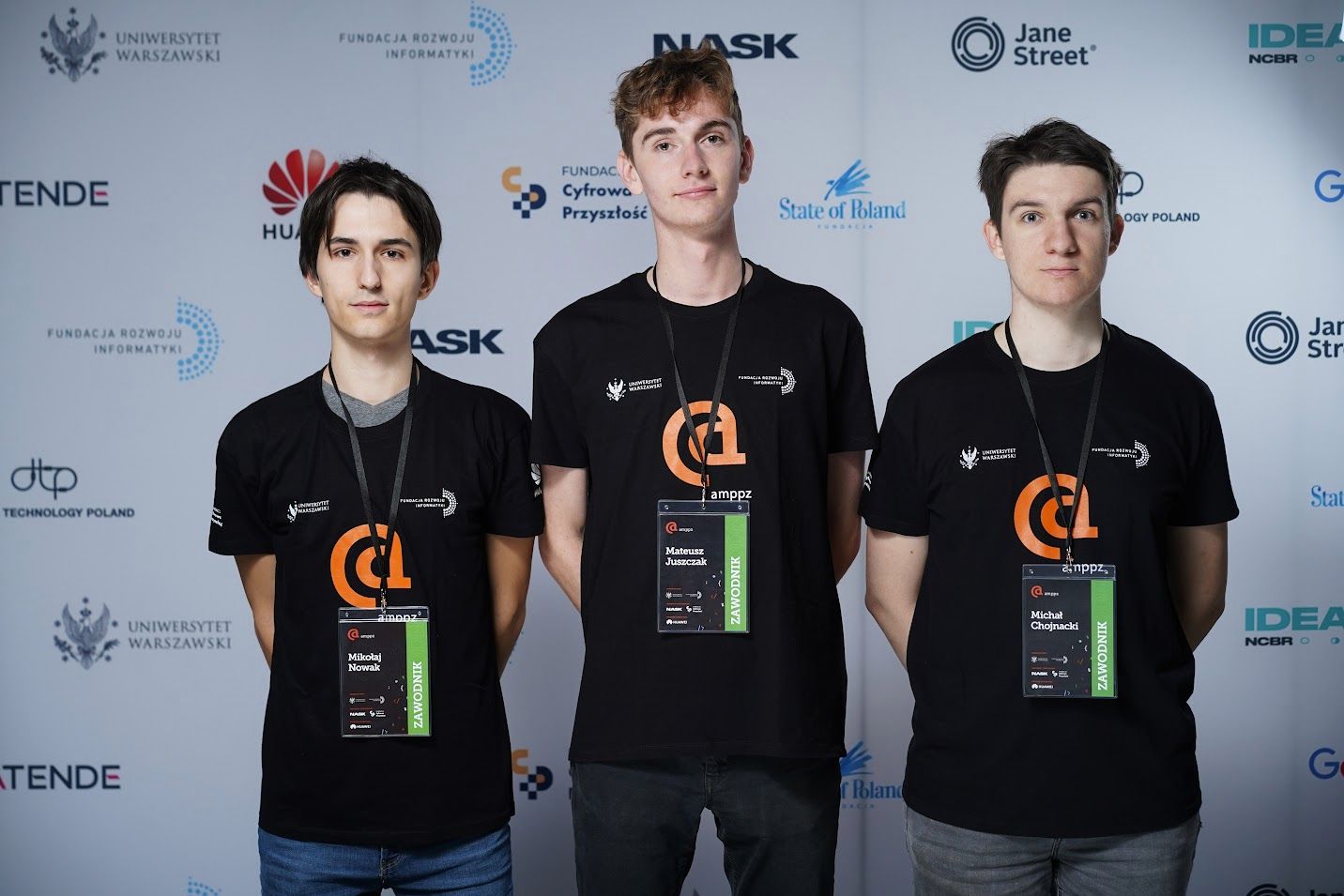
AMPPZ 2023 National Finals: Polish Collegiate Programming Contest. Placed 36/58 teams nationally; 1st place in PUT qualifiers.
IBM: Docker Essentials: A Developer Introduction (Jul 2024) [View Proof]
Academic Research & Publications
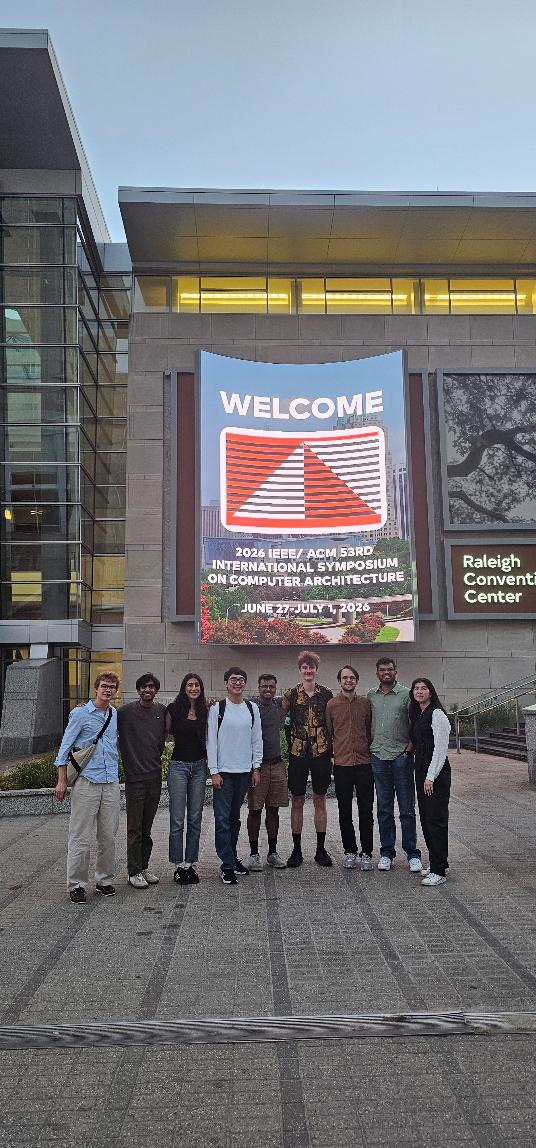
Acceleration of the Prefiltering and Alignment Phases in MMseqs2 Using the Processing-in-Memory ApproachISCA 2026
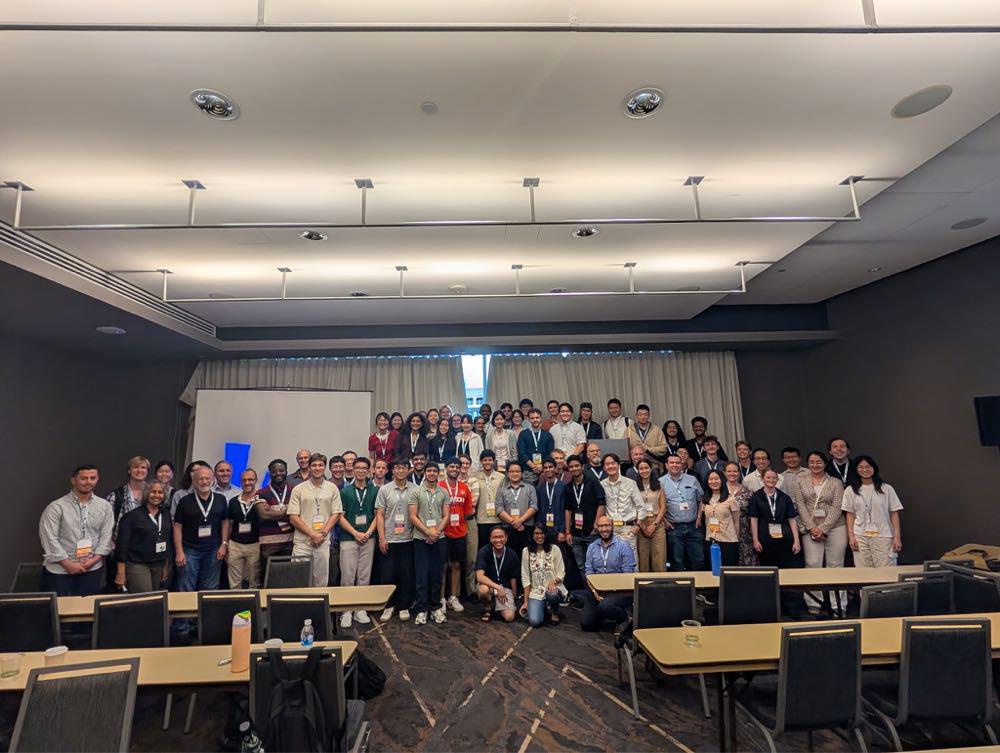
Presented at MCCSys Workshop · Raleigh, North Carolina
Biological sequence search is fundamentally bottlenecked by DRAM memory bandwidth. For my bachelor's thesis, I designed a hardware acceleration architecture that offloads memory-intensive prefiltering and alignment kernels directly into UPMEM Processing-in-Memory (PIM) DPUs.
This work was accepted and presented at the ISCA 2026 MCCSys workshop. Hardware access for feasibility research and benchmarking was graciously provided by Prof. Onur Mutlu's SAFARI group.
Poznań University of Technology · Supervisor: Prof. Krzysztof Krawiec
Investigating neurosymbolic scene decomposition and visual reasoning based on the DVP/ASR architecture family. Researching discrete tokenization, vector quantization (VQ), Minimum Description Length (MDL) priors, and differentiable rendering pipelines for scene representation.
Professional Engineering Experience
Software Engineer (.NET & DevOps)Jan 2024 – Feb 2026
LST-Soft Sp. z o.o.
Over two years of full-stack and infrastructure engineering, culminating in a complete 8-hour technical handover presentation regarding system architecture upon departure.
Autonomous Routing Engine: Adapted the open-source VROOM metaheuristic engine and OSRM for Vehicle Routing Problems with Time Windows (VRPTW), building the C# integration library for unified address and geospatial data processing.
Kubernetes & Observability: Built and managed internal Kubernetes clusters (3-node dev cluster + external geo-services cluster). Deployed self-hosted Photon geo-services with automated nightly data syncs. Introduced Prometheus & Grafana for real-time observability.
Legacy Modernization: Refactored the core C# backend providing logistics integration for Poland's largest internet electronics manufacturer. Successfully removed 3,000 lines of dead code (from 15k to 12k) from a 15-year-old codebase with zero downtime.
CI/CD Pipelines: Engineered Jenkins CI/CD pipelines for automated compilation, cryptographic software signing, and customer installation package generation.
Selected Technical Projects
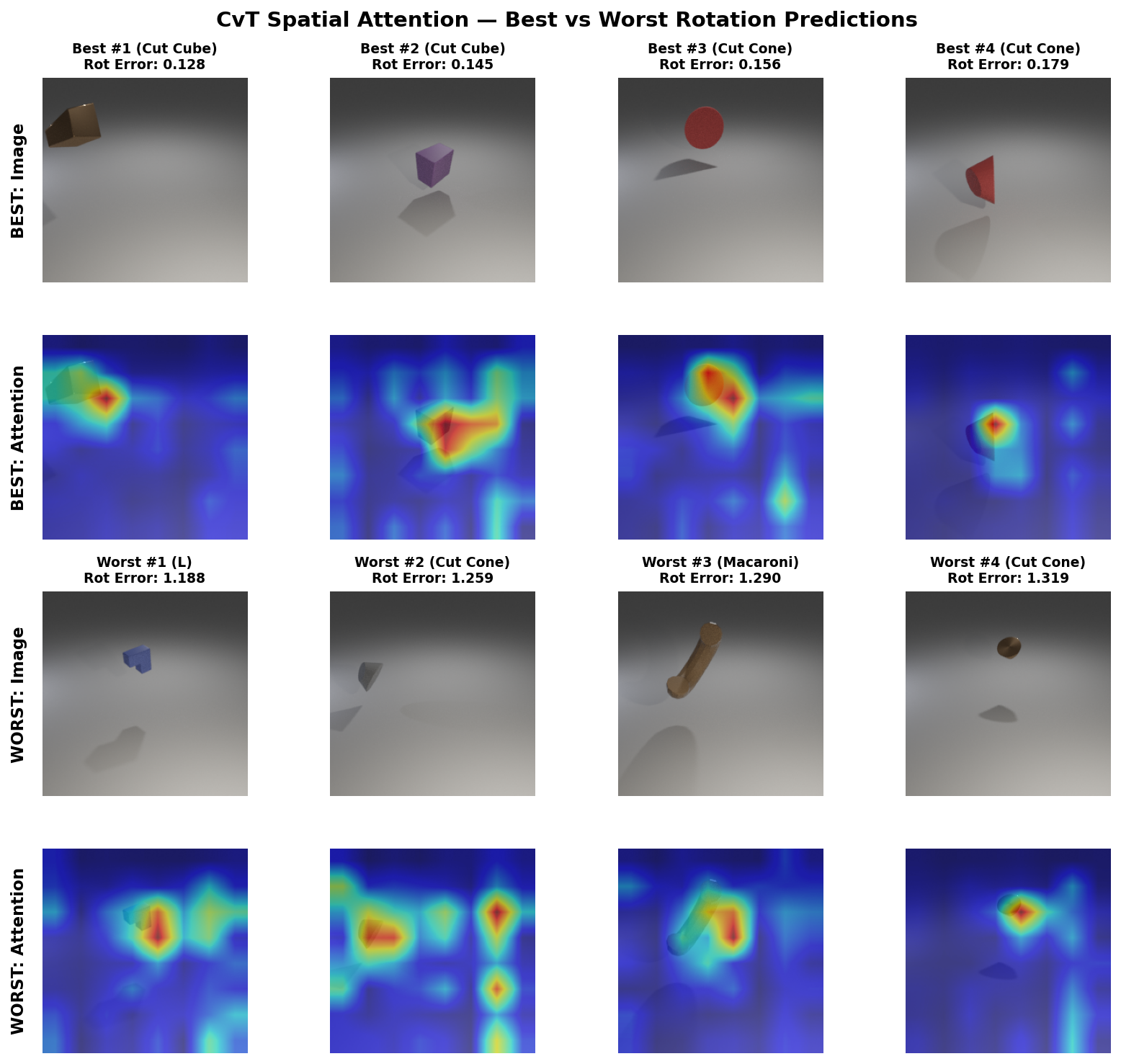
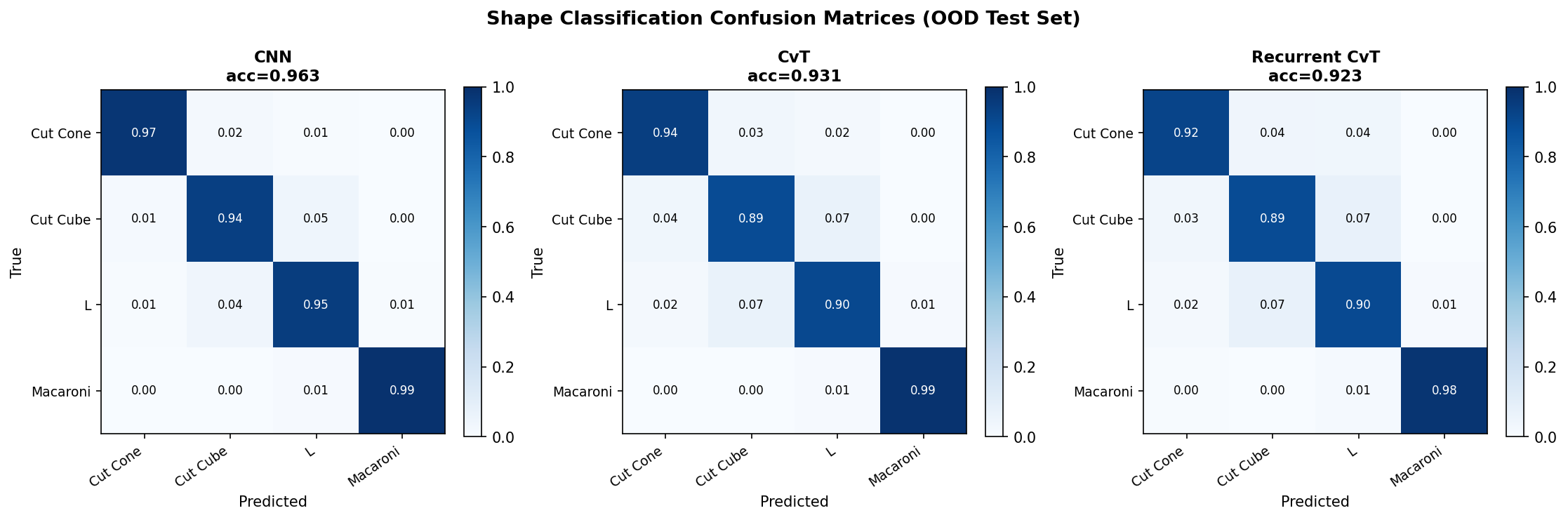
CNN vs. CvT for Geometric Scene UnderstandingPython / PyTorch / CvT / MLflow
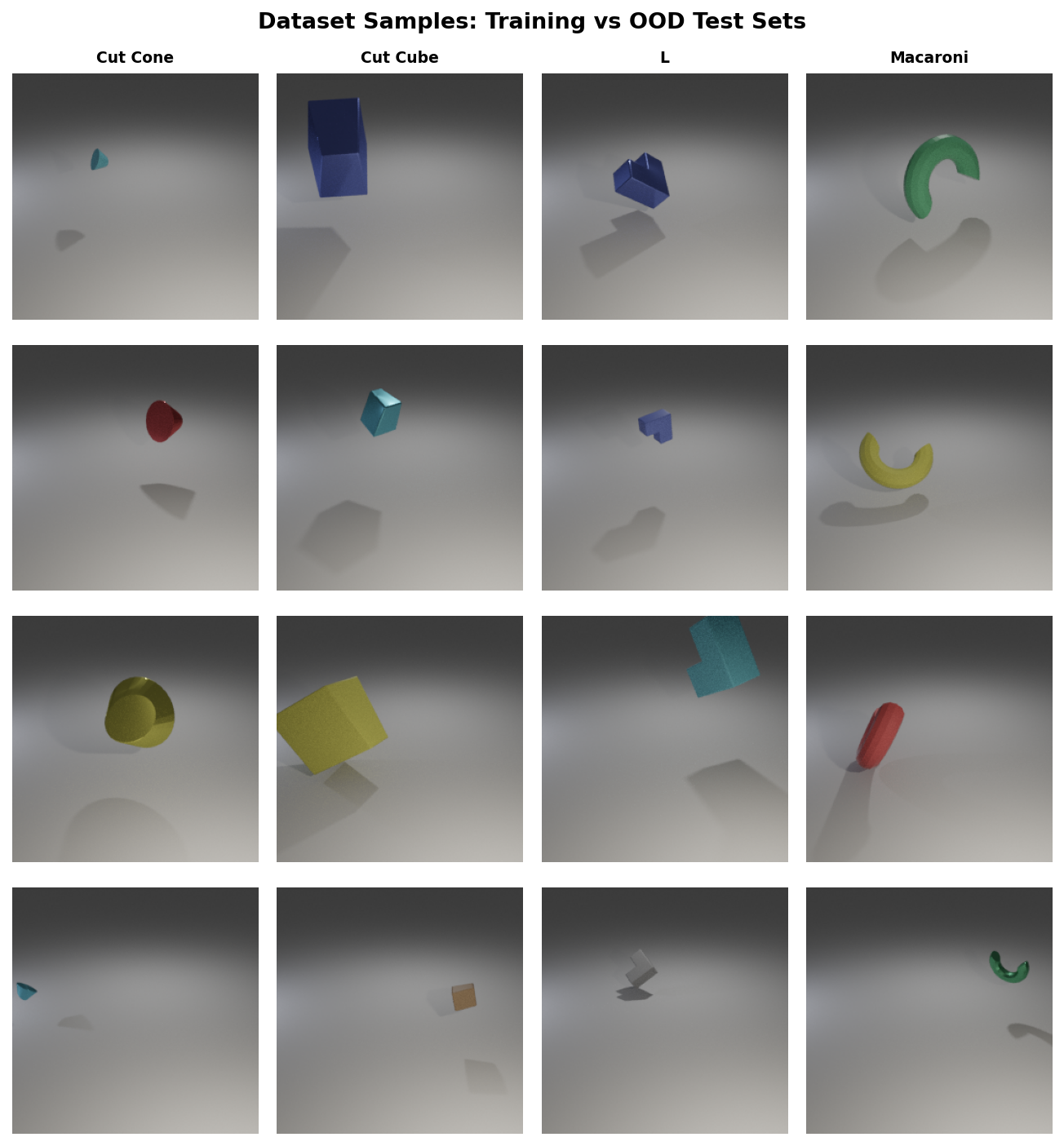
Built a reproducible multi-task vision study comparing CNN, standard CvT, and recurrent CvT backbones on 50,000 256x256 single-object scenes. CNN reached 96.3% shape accuracy, while Recurrent CvT matched rotation error at 0.631 MAE with 28% fewer parameters. Evaluated compositional, scale, and boundary-position OOD splits.
SceneGenerator & CUDA OptimizationPython / PyTorch / CUDA
Optimized a CLEVR synthetic scene generation pipeline. Profiled and eliminated CPU-side bottlenecks, achieving ~100% GPU utilization, reducing measured latency to 50.1 ms per 256x256 scene, and increasing throughput to 19.9 FPS (+109.4%). This pipeline was utilized in a final computer vision study.
Heterogeneous Knapsack OptimizationC++ / CUDA / OpenMP
Benchmark study of equivalent 2-Constraint Knapsack algorithms across single-core CPU, multi-core OpenMP, and CUDA implementations, measuring performance and parallel scaling.
Multi-resource distributed mutual exclusion simulation using OpenMPI, Lamport timestamp ordering, deferred permission replies, and a concurrent C++17 process state machine.